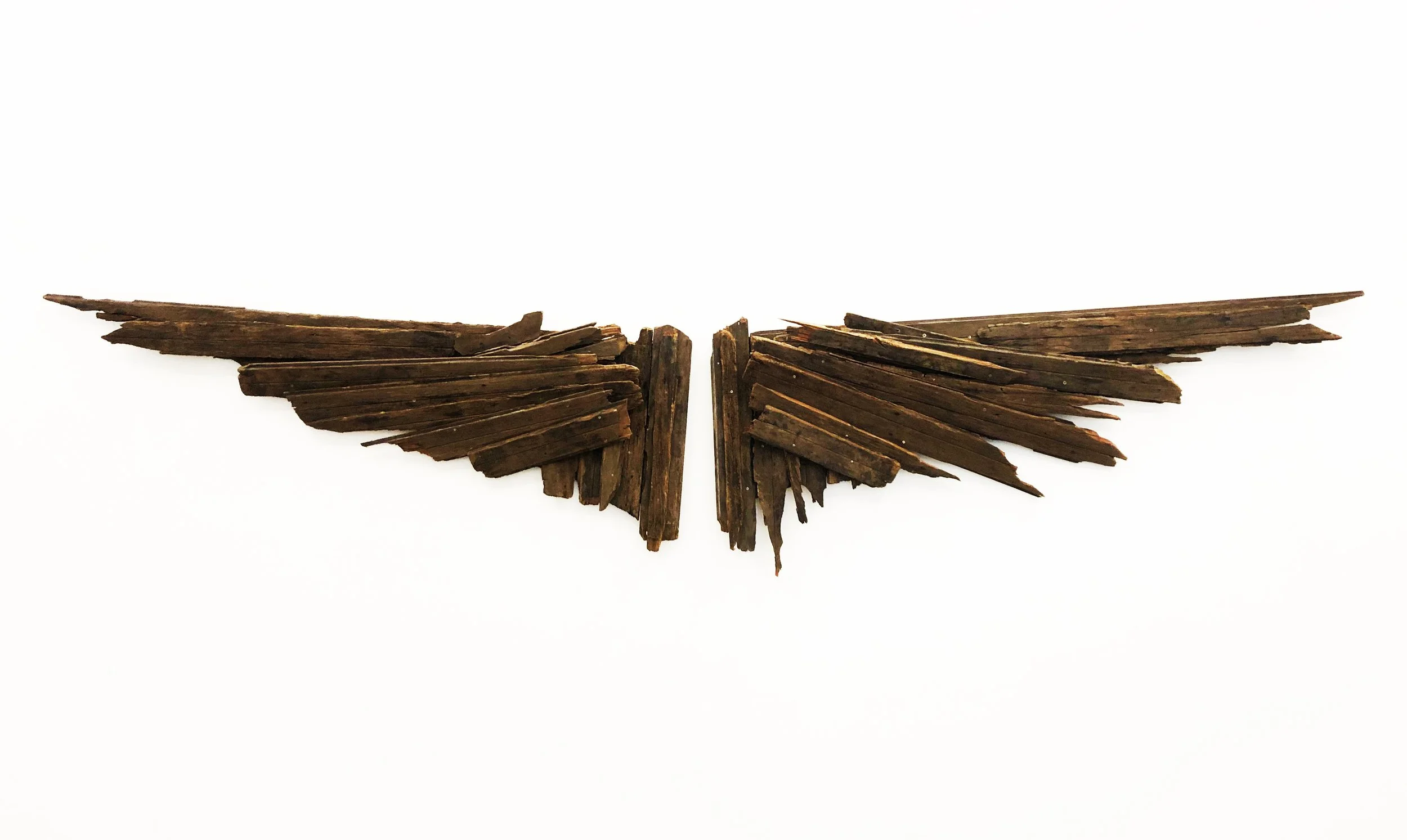
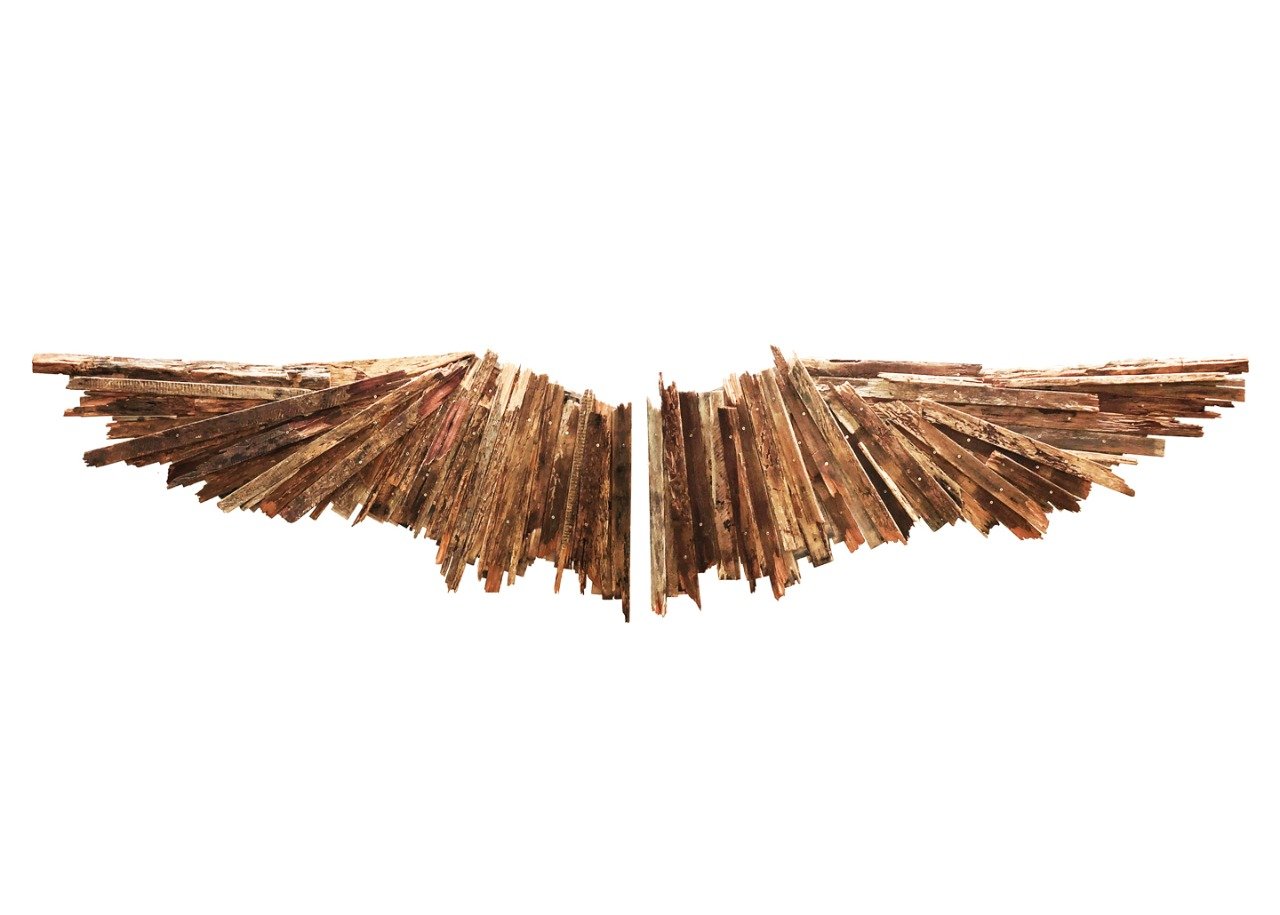
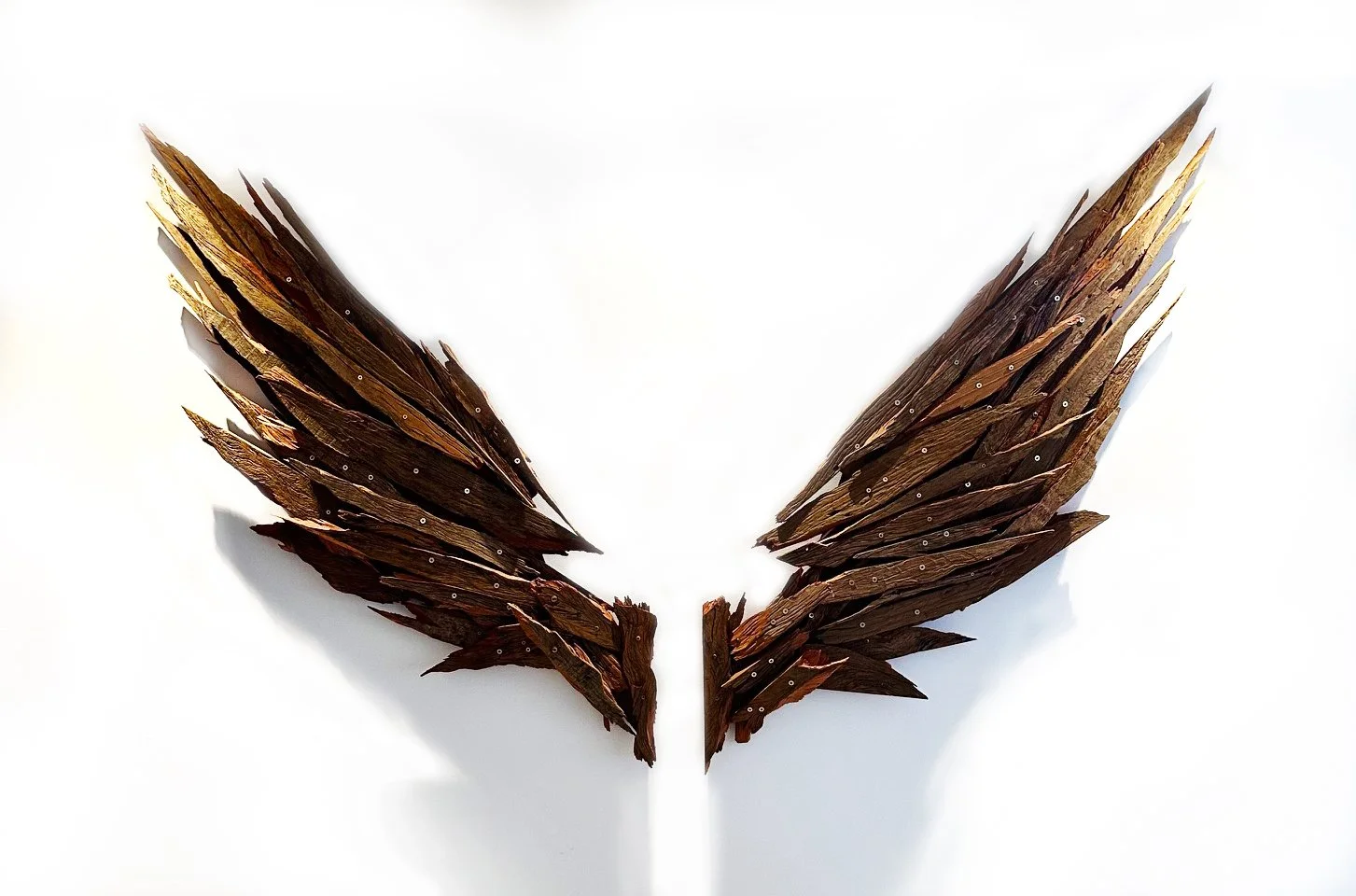
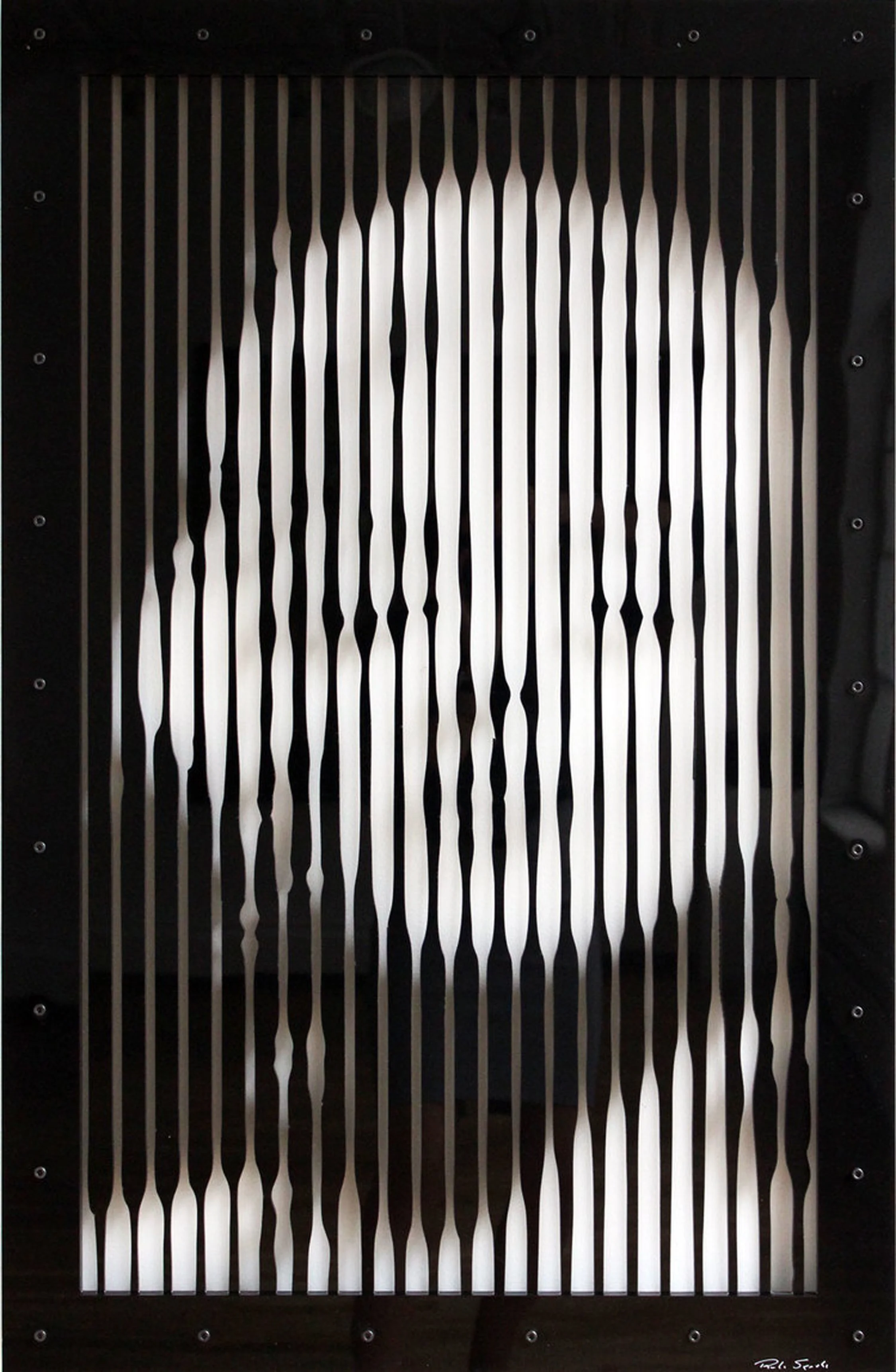
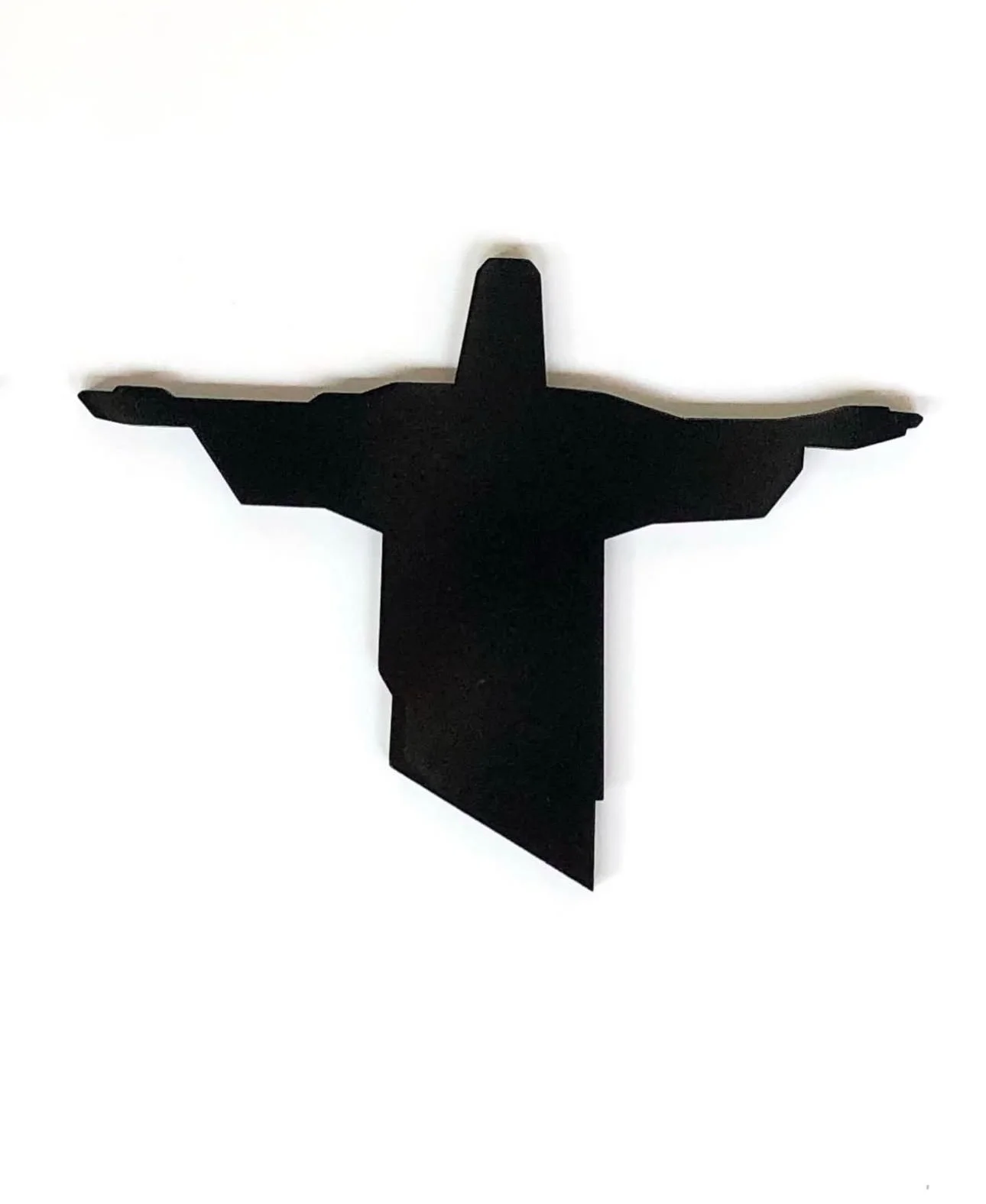
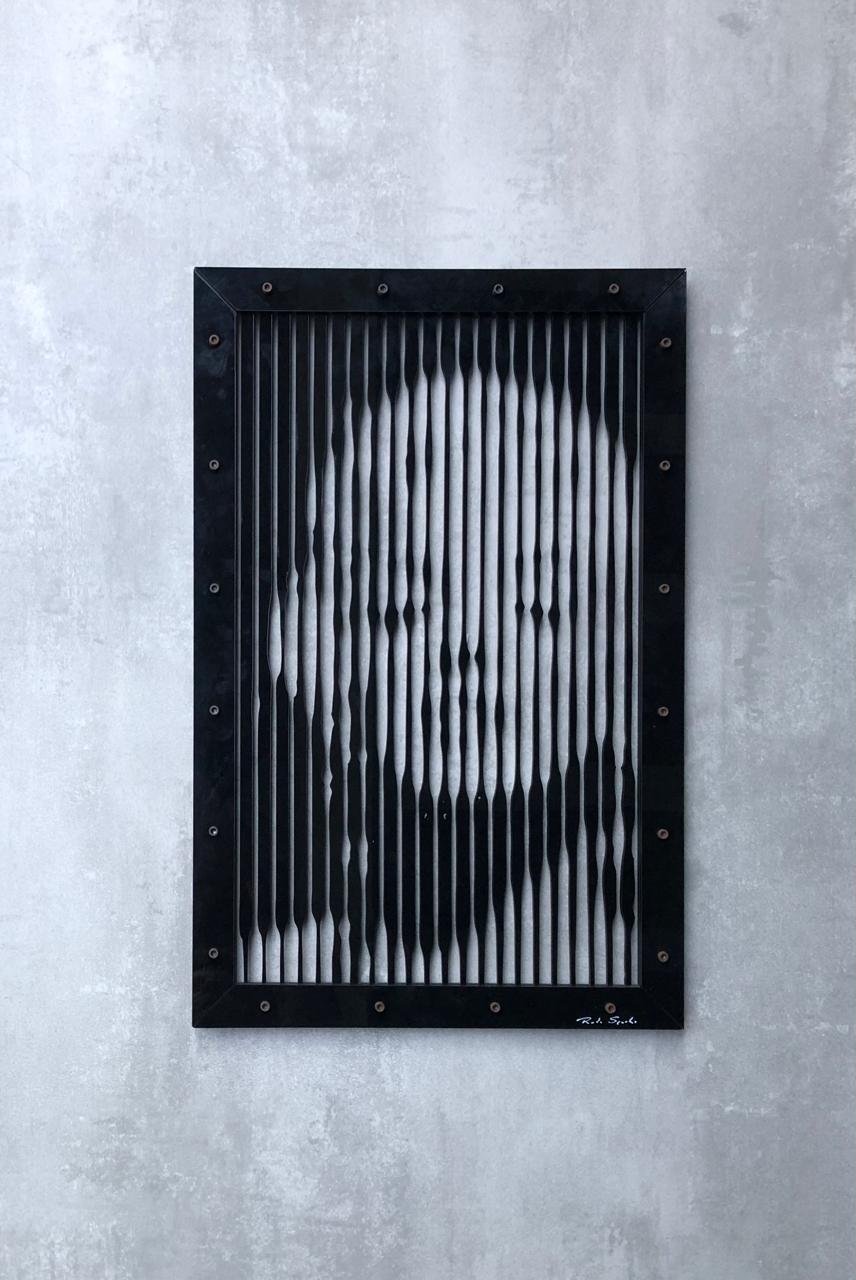
Art should not merely occupy a space, but exist in harmony with it—becoming an integral, living element of the environment. This perspective underpins a body of work that advocates, in a subtle yet powerful way, for the democratization of Fine Arts.
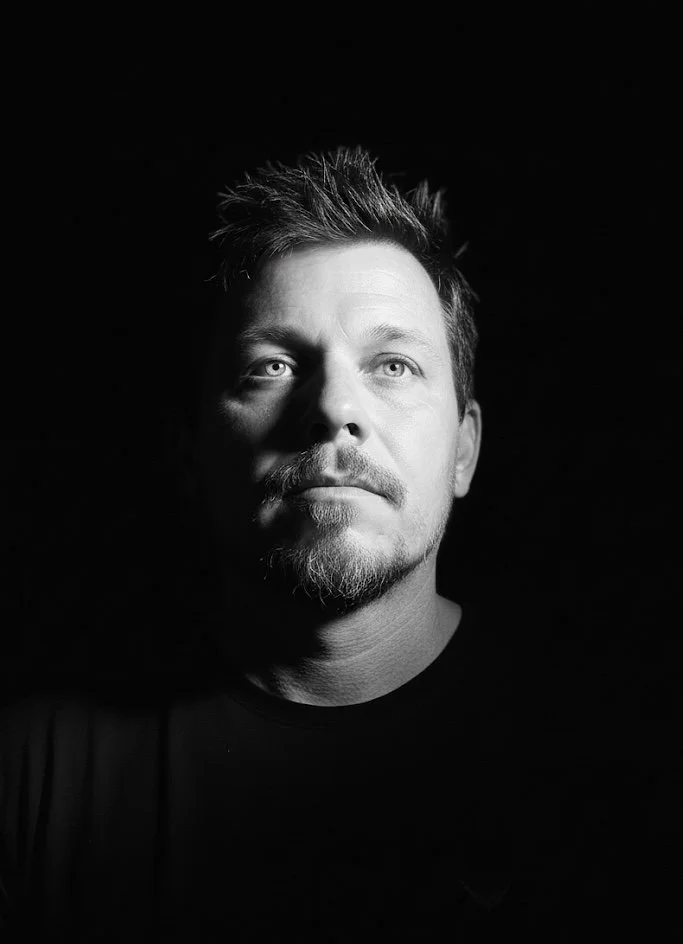
Rudi Sgarbi
Born in Rio de Janeiro, Brazil, in 1975, Rudi Sgarbi is a multidisciplinary visual artist whose work is defined by the convergence of multiple languages, techniques, and materials. His artistic practice emerges from an ongoing search for identity and meaning, unfolding into a broad conceptual approach that transcends technical and aesthetic boundaries.
With strong roots in design and interior decoration, the artist has developed a versatile and multifaceted visual language capable of adapting to diverse contexts and scales. Regardless of conceptual or technical complexity, his works are conceived to inhabit and transform spaces, reaffirming art as an accessible and everyday experience.
Sgarbi’s references span a wide spectrum of art history. From classical masters, he inherits rigor, precision, and a deep respect for craftsmanship and formal study. From contemporary artists, he draws the courage to expose, reinvent, and continuously reconstruct himself—building a multifaceted body of work marked by a strong personal signature.
Attentive to both historical influences and everyday life, Rudi Sgarbi maintains an ongoing exploration of new materials and techniques. This constant research reinforces his versatility and resists rigid classifications, allowing each artwork to emerge from an intuitive, symbolic, and deeply human creative process.