Ricardo Wiesse
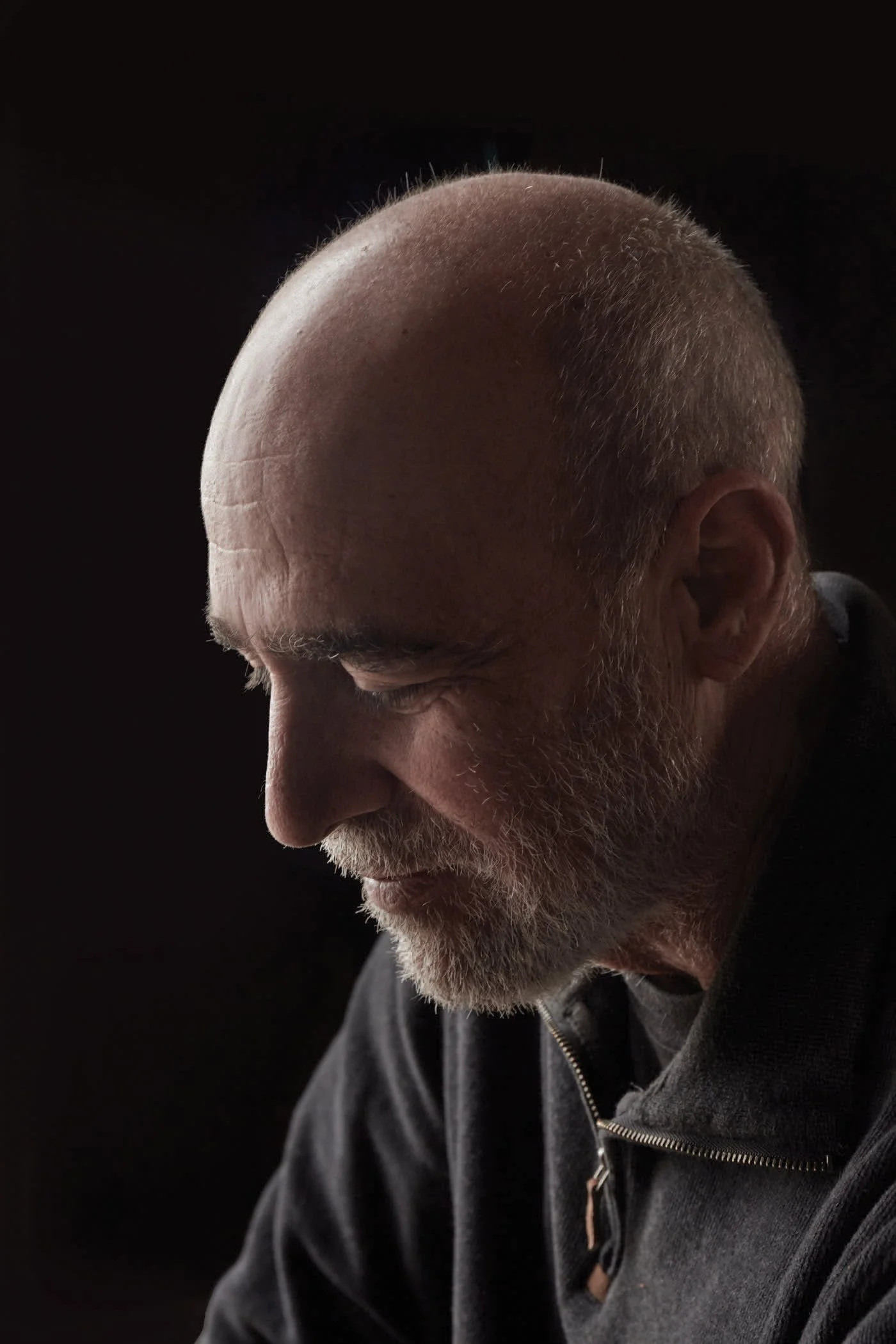
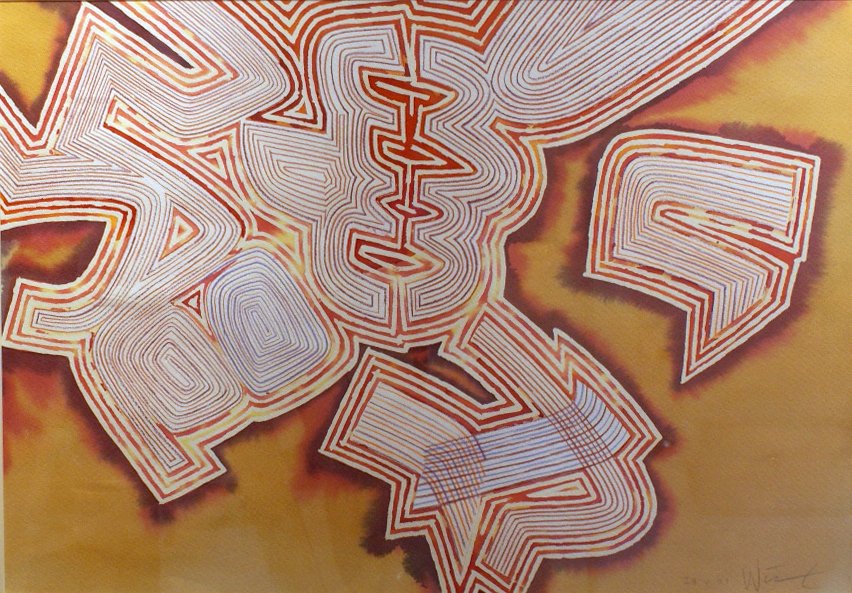
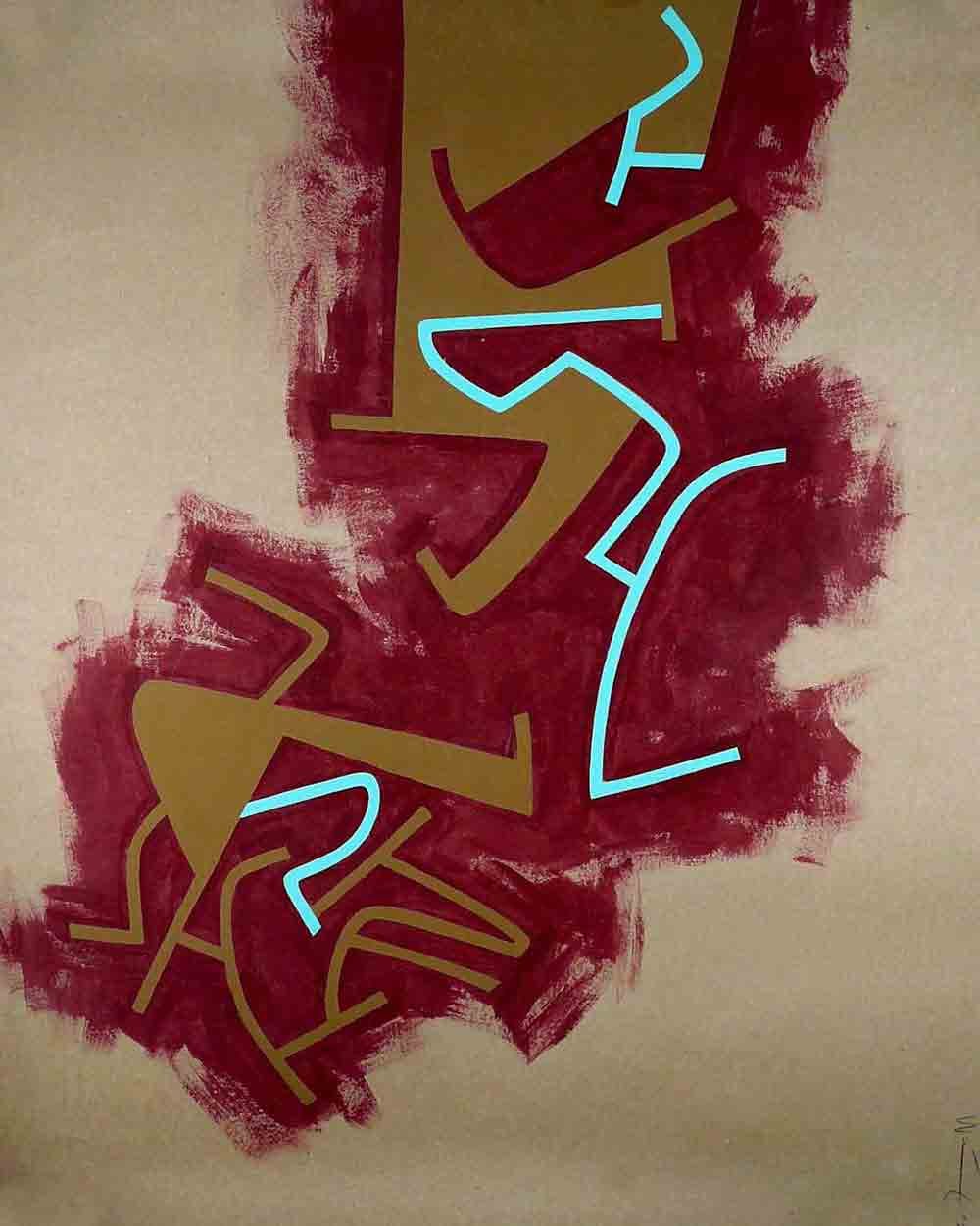
Ricardo Wiesse (Lima, 1954) is a prominent Peruvian visual artist whose work has had a lasting impact on the country’s cultural landscape. He studied Literature and Painting at the Pontificia Universidad Católica del Perú, later training in Printmaking at Atelier 17 in Paris and at the Slade School of Fine Arts in London. Guided by masters such as Adolfo Winternitz and Fernando de Szyszlo, he developed a personal language that bridges abstraction and figuration while maintaining a profound dialogue with the Peruvian landscape and pre-Columbian heritage.
His career includes major public works—most notably the 10,000 m² ceramic mural on Lima’s Vía Expresa (1991), now an emblematic landmark—as well as participations in international biennials in Cuenca, Valparaíso, La Habana, San Juan, Cagnes-sur-Mer, and in the biennials of Lima and Trujillo. He has exhibited widely in the United States, Brazil, Germany, Argentina, and throughout Peru.
Beyond his artistic production, Wiesse has contributed to cultural discourse through essays and lectures. His publication Arte y cambio social (1999), written with Fortunata Barrios, reflects his interest in the relationship between art, history, and society. Today, he continues to work with unwavering dedication, driven by a deep and enduring commitment to creation.